
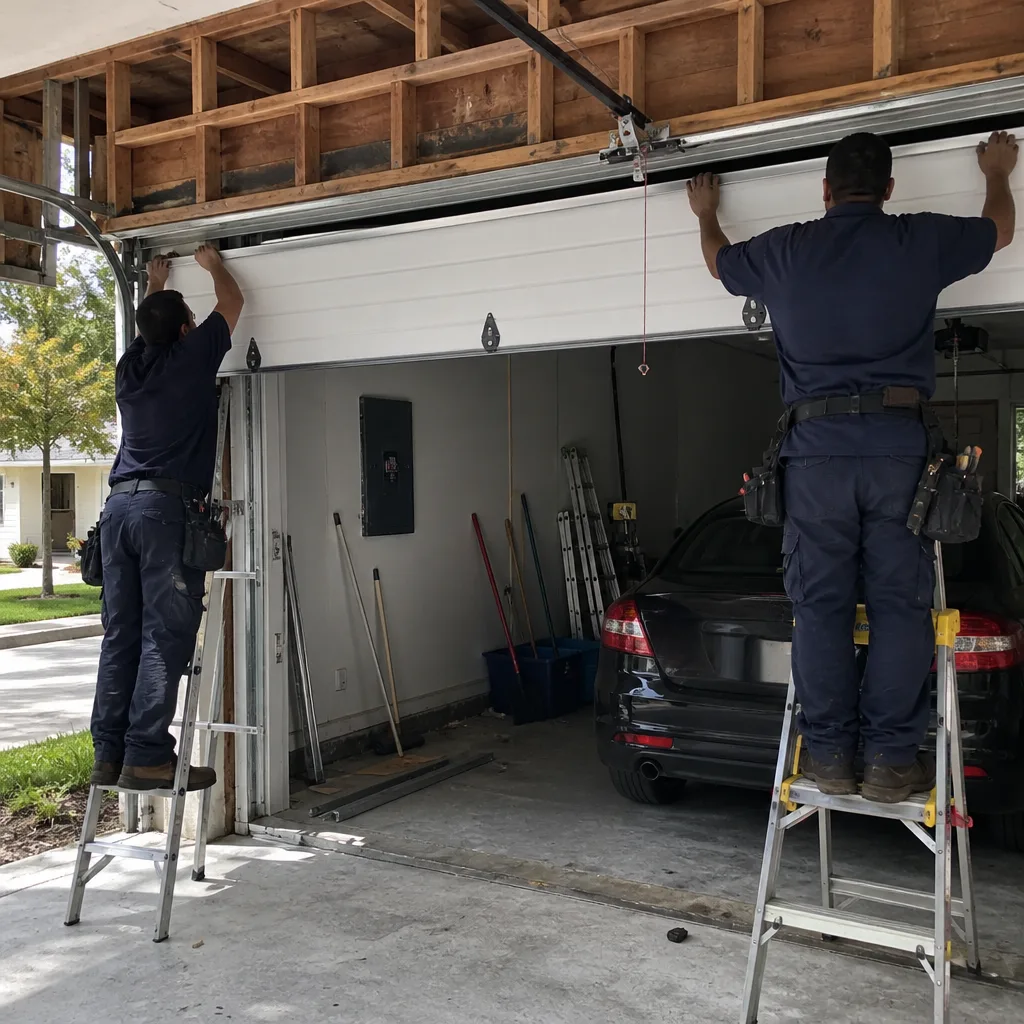
Last updated November 21, 2026
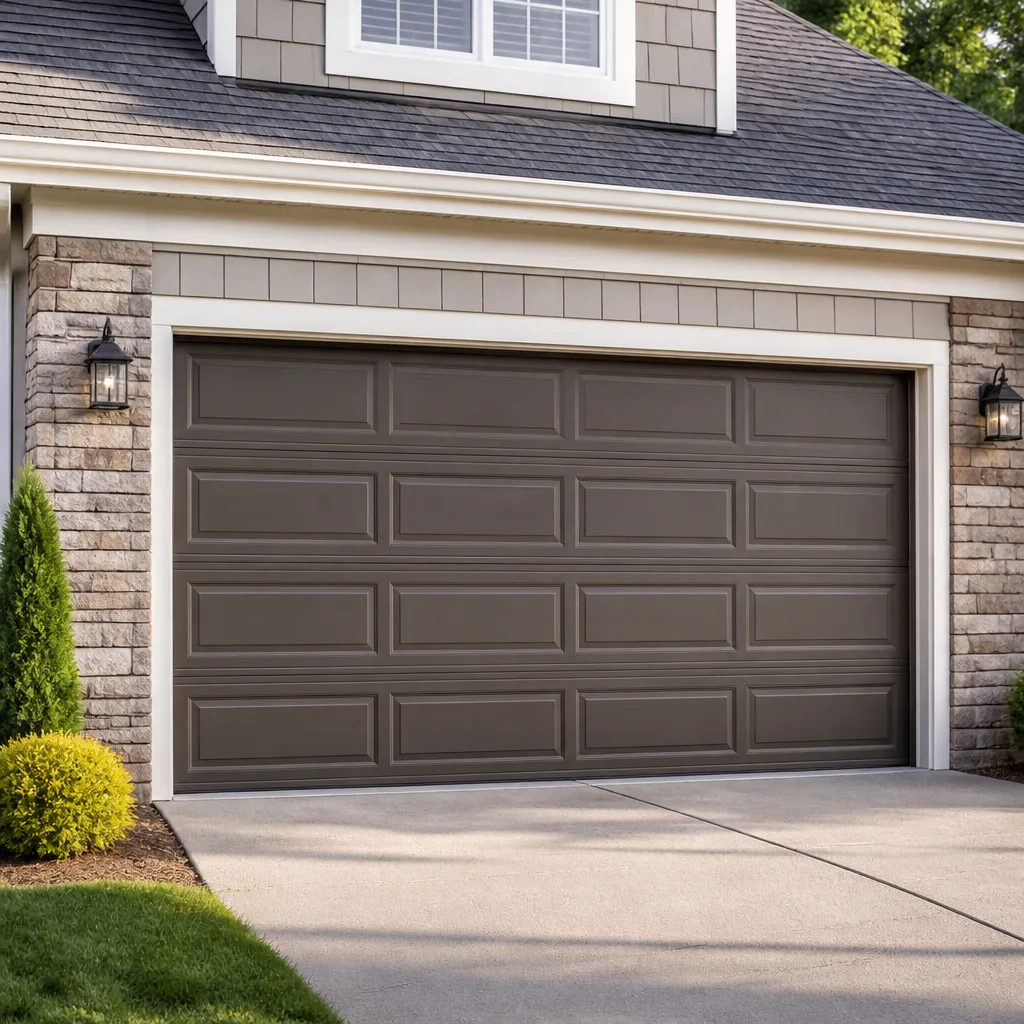 Raised-panel steel
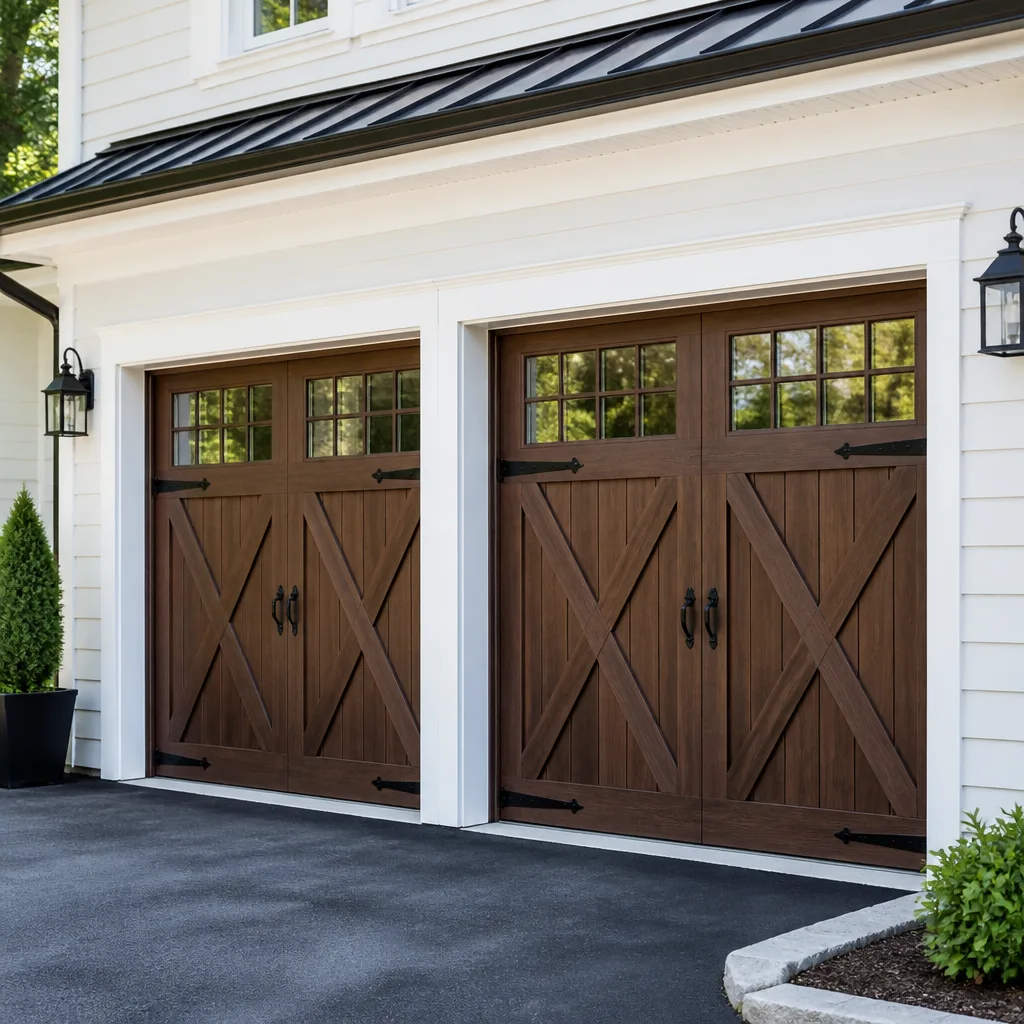 Carriage house
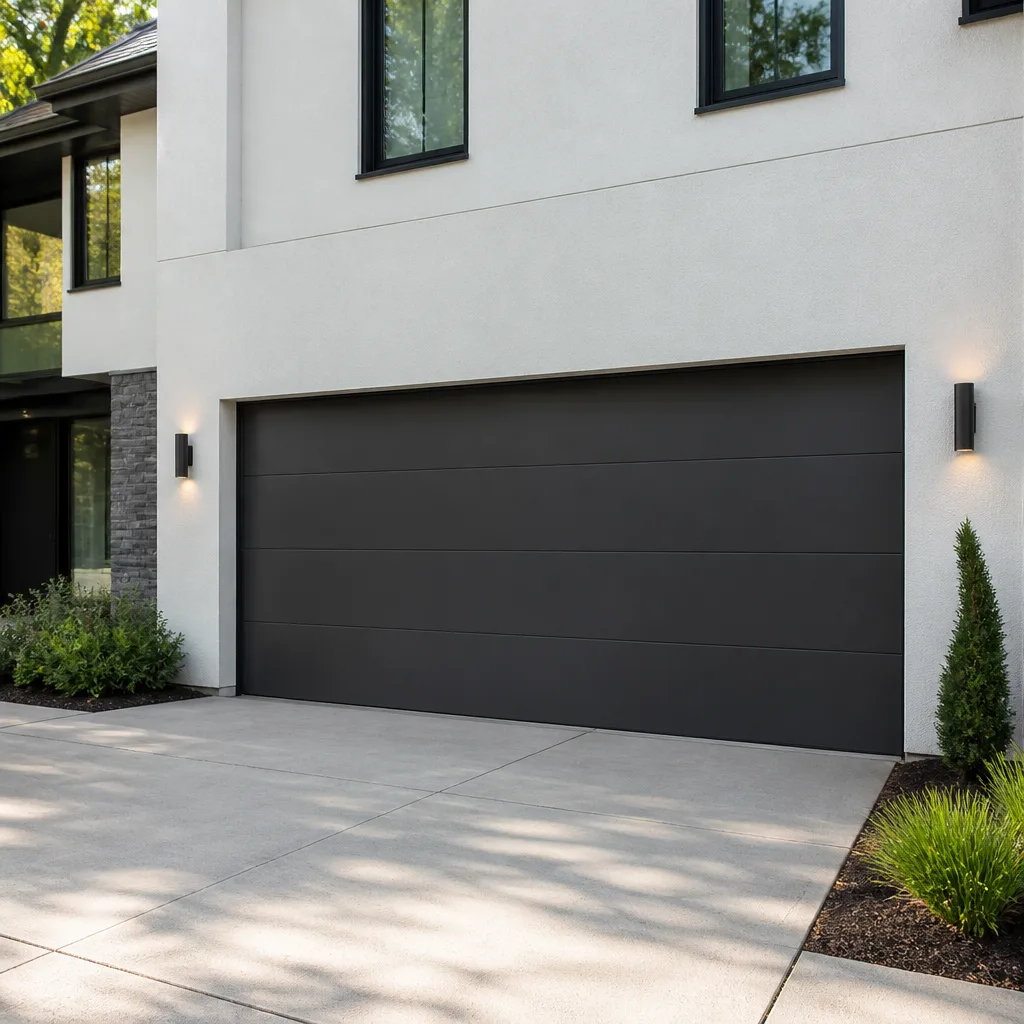 Modern flush
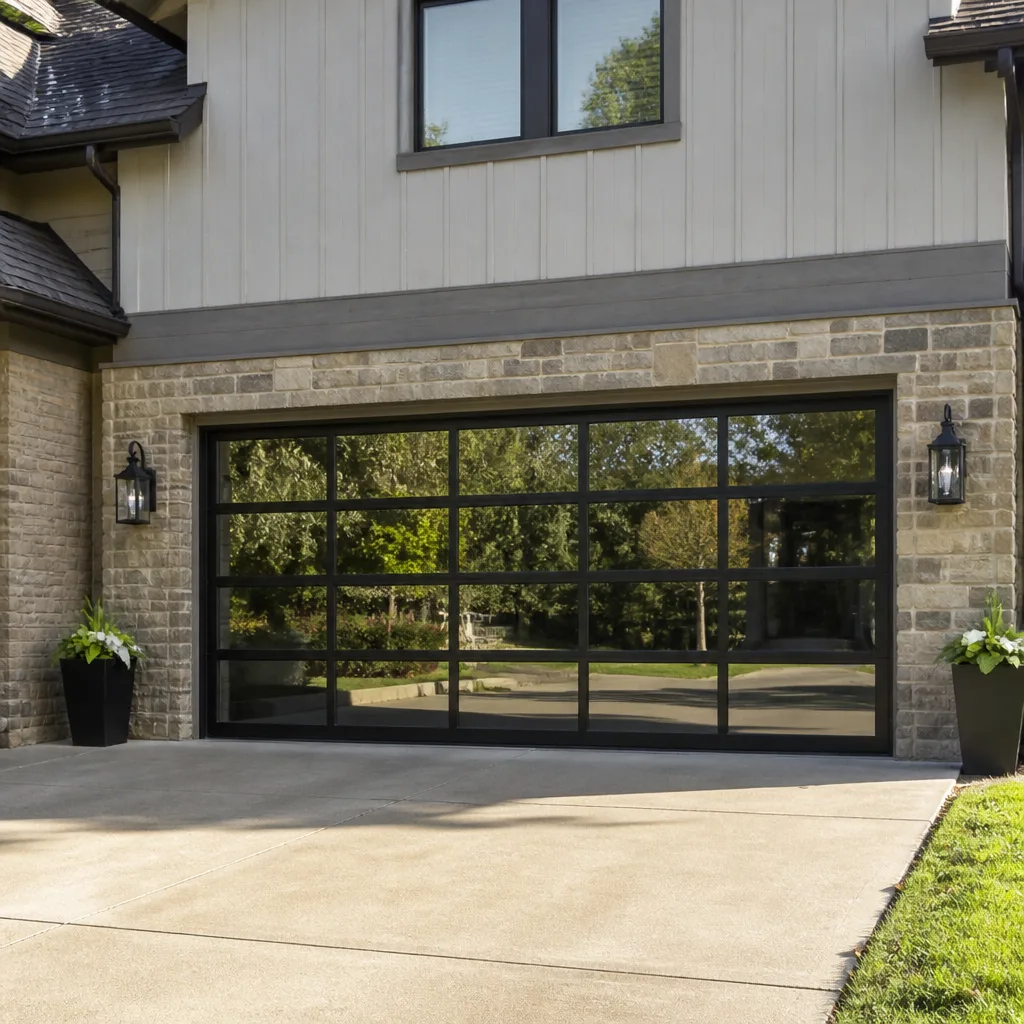 Full-view glass
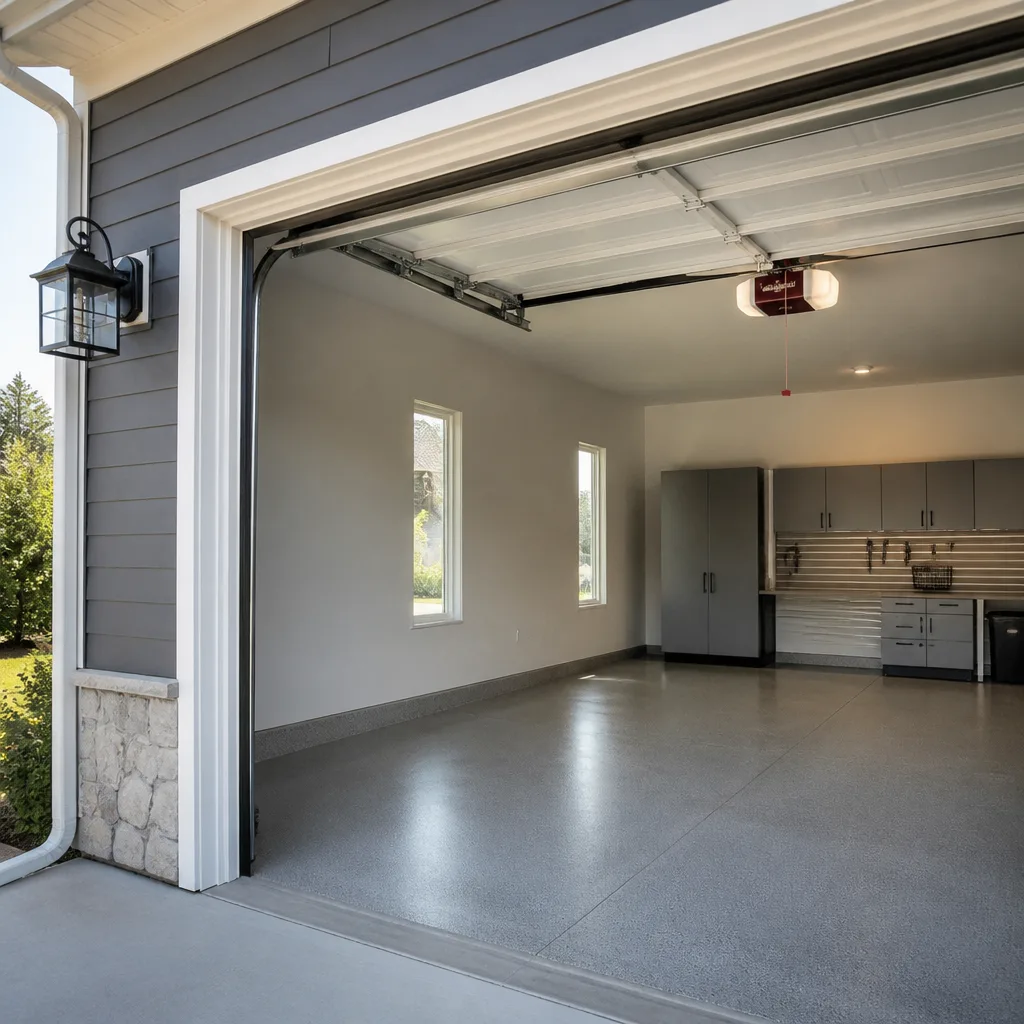 LiftMaster openers
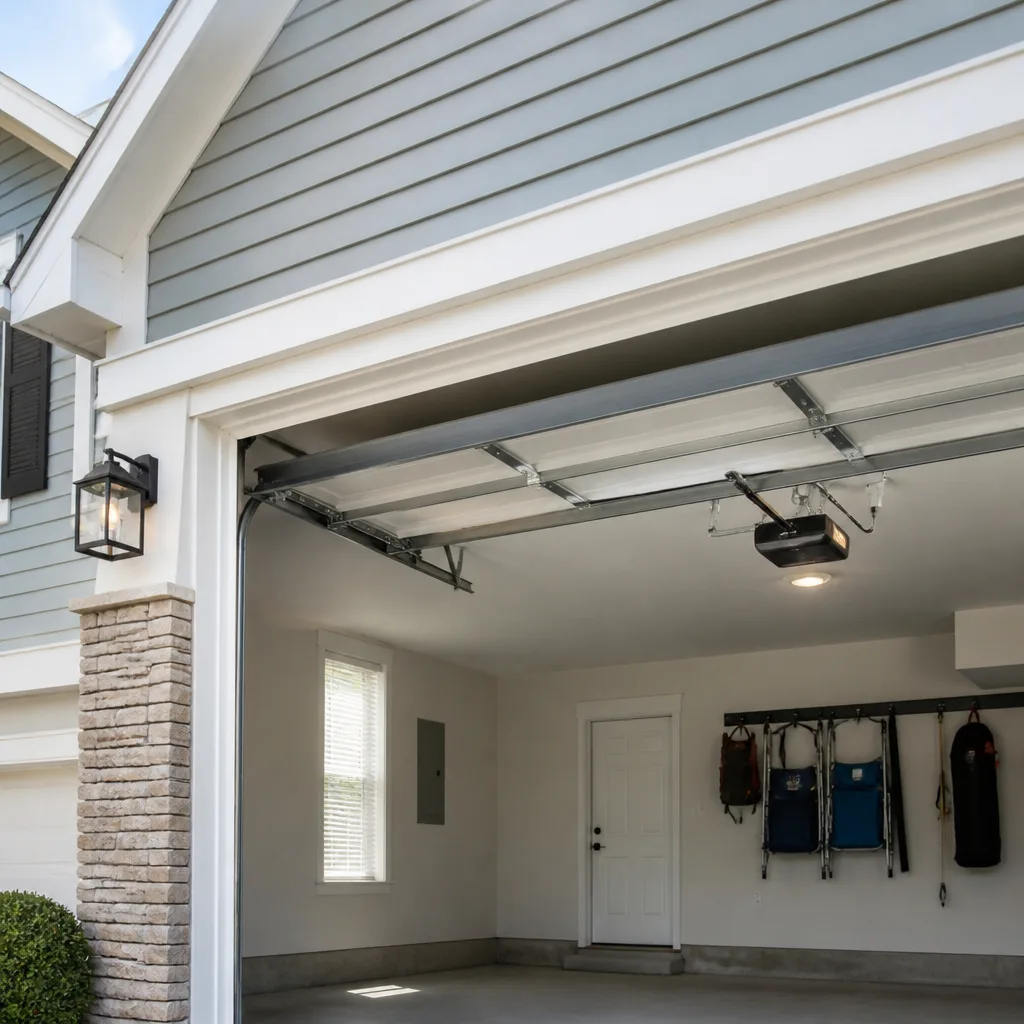 Chamberlain openers
Full 25-point door and opener safety check with every visit - springs, cables, rollers, tracks, and your LiftMaster or Chamberlain opener included
You get a price before we start. It does not change when the pro arrives.
Get your free estimateGarage Door Repair Maintenance Checklist for Weston Homeowners
Most garage door maintenance guides tell you to service the door in spring and fall. That rhythm was written for places with real winters, and it doesn’t fit Weston. Here, the door runs six to eight times a day in sustained heat, and a torsion spring rated for 10,000 cycles can give out in four to five years instead of the seven or eight a national checklist assumes. The heat, the storm season, and the HOA inspection calendar all set a different schedule. In this guide we’ll walk through what to lubricate and when, how to prep for hurricane season beyond the weather seal, how to spot oxidation on rollers before it strands you, and what to log so a technician can see a trend instead of a single snapshot.
Quick Answer
A garage door maintenance checklist for Weston should be built around heat, storms, and HOA inspection season, not a spring-and-fall routine. In practice that means lubricating moving parts every three to four months with a high-temperature product, testing the manual release and battery backup before storm season, inspecting anchor bolts and hinges for oxidation, and logging each pass so deterioration shows up as a trend. Anything involving torsion springs, cables, or the opener’s electrical components belongs with a trained technician.
Styles & brands we work with
- Raised-panel steel
- Carriage house
- Modern flush
- Full-view glass
- LiftMaster openers
- Chamberlain openers
Table of Contents
- Why a Weston Maintenance Checklist Looks Different
- The South Florida Lubrication Schedule
- Pre-Hurricane-Season Checklist
- Spotting Oxidation on Rollers and Hinges
- Testing Your Battery Backup Opener
- What to Log During Each Maintenance Pass
- A Month-by-Month Weston Schedule
- Common Mistakes to Avoid
Why a Weston Maintenance Checklist Looks Different
A garage door in Weston lives a harder life than one in a mild climate, and the numbers explain why. Torsion springs are engineered around a typical cycle count. A cycle is one open and one close. Most residential springs are rated for about 10,000 cycles, which assumes a household runs the door three or four times a day. In Weston, between the car, the mailbox, the trash, deliveries, and kids going in and out, six to eight cycles a day is normal. Do the math and a 10,000-cycle spring wears out in four or five years rather than the seven or eight a homeowner elsewhere might get.
Heat adds a second layer. Metal expands and contracts across the day, and in a Weston summer the inside of a garage can be well above the outdoor temperature. That cycling works on hinges, rollers, and the torsion system continuously. Lubricant that’s fine in a cooler climate thins out and migrates off the parts it’s supposed to protect.
Then there’s storm season and the HOA calendar. Many Weston communities run exterior inspections on a set schedule, and a garage door that’s out of alignment or visibly worn can draw a notice. Prepping the door for storm season isn’t only about wind; it’s about making sure the manual release works and the battery backup is charged when the power goes out.
What a Weston checklist needs, then, is a different cadence:
- Lubrication: every three to four months, not twice a year.
- Storm prep: a dedicated pass before hurricane season, not a quick look at the seal.
- Oxidation checks: hinges and rollers inspected for the dull film that precedes a failure.
- Battery backup testing: on a calendar, because brief storm-season outages are common.
- Logging: a written record so deterioration shows as a trend.
If the door is already making noise or moving unevenly, that’s a repair question, not a maintenance one. Our garage door repair page covers what a diagnosis involves. For everything else, keep reading.
The South Florida Lubrication Schedule
Lubricating a garage door in Weston is a four-times-a-year job, and the product you choose matters as much as the frequency. In a garage that regularly sees temperatures above 95°F, a light general-purpose oil thins out, runs off the hinges, and leaves rollers dry. It also attracts dust and, in a hot garage, insects. A white lithium grease behaves better in heat but goes stiff and gummy over time if it’s over-applied, which is worse than no lubricant at all.
What holds up best in our experience is a purpose-made garage door lubricant, or a silicone-based spray, applied sparingly. The rule is thin film, not a coat. Here’s the order we recommend:
- Clean first. Wipe the hinge pivots, roller stems, and track interior with a dry cloth. Lubricant on top of grit just makes grinding paste.
- Lubricate the hinges. One short spray at each hinge pivot. Don’t soak them.
- Lubricate the roller stems and bearings, not the roller wheels. The wheels roll on the track; oiling the wheel surface collects dirt.
- Spray the torsion spring coils lightly if the springs are accessible from the floor. Never reach up into the spring assembly to wipe it.
- Leave the tracks dry. Tracks are meant to run clean. Lubricant in the track attracts grit and causes the door to bind.
- Run the door up and down twice and listen. A well-lubricated door is noticeably quieter.
On a Clopay or Amarr sectional door, the hinges carry more load than on some other designs, so pay attention to the middle hinges first. If you have a LiftMaster or Chamberlain opener with a belt drive, the door’s smoothness affects the belt’s life too. When the door binds, the opener works harder.
One caution: lubrication is a homeowner task only on the accessible, low-load parts. Any work near the torsion spring or the cables is a different matter. Those components hold the full weight of the door under high tension, and a slip can cause serious injury. We handle spring work as a named service and recommend you leave it to a trained technician. Our garage door spring repair page explains what that involves.
Pre-Hurricane-Season Checklist
Most storm prep advice stops at “check the weather seal,” and that misses the parts that fail under stress. A garage door is the largest moving opening on a house, and in Weston’s storm season it’s worth a dedicated inspection before the season starts. Here’s what to check, in order:
- Anchor bolts and the bottom brackets. Look at where the vertical tracks and spring hardware attach to the wall and floor. Any bolt that’s loose, rusted, or pulling out of the wood or concrete is a real problem and needs a technician, not a wrench.
- Manual release test. With the door fully closed, pull the red release cord. The door should disconnect from the opener and lift by hand with moderate effort. Reconnect it and run the opener to confirm the trolley re-engages. If the release won’t engage or the door won’t lift by hand, the opener is what will fail when you need it.
- Weather seal and bottom rubber. A torn bottom seal lets water and wind-driven rain in. Replace it if it’s cracked or hanging.
- Track alignment. Look down the tracks from the door opening. They should be straight and parallel. A bent track from a previous knock can cause the door to jump the roller during a hard cycle.
- Panel condition. On a Clopay or Wayne Dalton door, check for dents or loose sections in the middle panels. A panel that’s separating is a weak point in wind.
- Battery backup. Covered in its own section below, but test it before the season, not during a storm.
Two safety notes. First, never test the door’s balance by standing under it with the opener disconnected, and never try to adjust the torsion spring yourself to “make it lift easier.” Second, if your door has a wind-load rating and your community requires it, ask your city’s building department about the documentation, and ask your HOA what they expect in writing. We can’t speak for either, but a technician on site can tell you what condition the hardware is in.
If your door fails during a storm season and won’t move, that’s an emergency repair, not a maintenance item. We answer 24/7 at (844) 930-4137, and we dispatch from 7am to 7pm, Sunday through Friday.
Spotting Oxidation on Rollers and Hinges
Oxidation on garage door hardware shows up as a dull gray or chalky film on the roller stems, the hinge pivots, and the metal where the hinges meet the door panel. It’s easy to mistake for dust. Left long enough, that film is the first sign the part is on its way to seizing, and a seized roller or hinge is what turns a smooth door into a jerking one mid-operation.
How to spot it on a Weston door:
- Look at the roller stems, not the wheels. Pull the door up about a foot so the rollers sit in the straight part of the track. Each roller has a metal stem. A bright stem is fine; a dull, pitted, or white-filmed stem is oxidizing.
- Check the hinge knuckles where the pin sits. If the pin is dark or the metal around it is crusty, the hinge is a replacement candidate.
- Watch for paint flaking around the hinge screws. That’s often where moisture and heat meet the panel.
- Listen for a squeak that returns soon after lubricating. If the same hinge is noisy a week after you oiled it, the bearing inside is gone, and no amount of lubricant will fix it.
- Run your hand along the bottom bracket area. In Weston’s humid summers, that’s where oxidation starts first because it’s closest to the ground and the door tracks the most moisture.
The practical fix is cheap and early. Replacing a handful of hinges and rollers on a Clopay or Amarr door takes minutes and costs far less than a full track replacement after a seized roller bends the track. If you’re not sure which rollers are due, a technician can tell you in a single look. On the opener side, oxidation shows as a corroded terminal strip or a failing wall button. Our garage door opener repair page covers those symptoms.
Testing Your Battery Backup Opener
Battery backup in a garage door opener is designed for exactly the situation Weston sees during storm season: the power drops for a moment or a few hours, and the door still needs to open. The problem is that most homeowners only find out the backup doesn’t work when they need it.
A simple testing cadence works: test the battery backup once a month during storm season, and once a quarter the rest of the year.
- Unplug the opener from the wall outlet, or trip the breaker that serves the garage circuit.
- Press the wall button or your remote. The door should open at its normal speed. If it moves slowly or not at all, the battery is weak or the terminals are loose.
- If it opens, close it, plug the opener back in, and let it recharge. A full recharge takes a few hours.
- Log the result. Note the date and whether the door moved normally, slowly, or failed. That log tells you when the battery is trending down.
On a Genie, LiftMaster, or Chamberlain opener, battery backup is usually a separate unit or a rechargeable pack inside the housing. Age matters. A battery pack that tests fine in one storm season may not have the reserve the next. If you’re not sure how old the pack is, note it in the log and plan to replace it at the point your tests start showing slow operation.
One homeowner task here is enough: unplug, test, plug back in. If the door doesn’t respond, the issue may be the battery, the opener’s logic board, or the travel limits. That’s a diagnostic job, and small electrical components inside an opener carry a shock risk, so don’t open the housing to poke around. If the door won’t open when the power fails, call (844) 930-4137. We answer 24/7, and we can book a technician from 7am to 7pm, Sunday through Friday. A call outside dispatch hours gets booked into the next opening.
What to Log During Each Maintenance Pass
A maintenance log turns a checklist into a trend. The difference matters: a technician who sees a single snapshot of your door can say whether it’s working today. A technician who sees six months of notes can tell you the torsion spring is due, the opener’s travel is drifting, and one hinge has been replaced twice. Keep a simple notebook or a note on your phone, and log these items each pass:
- Date and cycle estimate. Count how many times a day the door runs and note it. Over a year, you’ll see the door’s actual use, which is the number that predicts spring life.
- Lubrication date and product. Note what you used and where. If you switch from a light oil to a silicone spray, you’ll want to know when.
- Noise notes. “Squeak at hinge 3, fixed with oil” or “popping sound on close, still present.” Popping is worth calling about sooner rather than later.
- Door balance and travel. Does the door open and close fully, without slowing or stopping partway? Note any change.
- Weather seal condition. “Bottom seal cracked at east end.” Small issues become large ones during storms.
- Battery backup test. Date and result. This is the item most people skip and most regret.
- Oxidation observations. Which hinges or rollers look dull or gritty. That’s your replacement list.
- Photos. A quick photo of the spring assembly, the hinges, and the bottom seal lets a technician see deterioration at a glance.
Bring the log to any repair visit. It’s the single most useful thing you can hand a technician, and it speeds up the diagnosis.
A Month-by-Month Weston Schedule
Here’s how all of the above folds into a calendar for a Weston home. This isn’t a rigid rule, but it’s the rhythm we recommend.
- January, April, July, October: Full lubrication pass. Hinges, roller stems, spring coils lightly. No track oil.
- Every month, May through November: Battery backup test. Log the result each time.
- May (before storm season): Hurricane checklist. Anchor bolts, manual release, weather seal, track alignment, panel condition. Book a technician if anything looks loose or damaged.
- June and September: Oxidation check on rollers and hinges. Look at stems, not wheels.
- Before any HOA exterior inspection: Walk the door’s appearance. Alignment, panel dents, and paint condition. A door that’s out of alignment can look worse than it is.
- Yearly: Review the log with a technician. Ask whether the spring is likely due based on cycle count, and whether the opener’s battery pack is worth replacing.
A full maintenance pass is a safe homeowner task. Spring repairs, opener diagnostics, and panel replacement are not. Our garage door repair and installation work covers the latter, and we handle both the door hardware and the opener side, so you don’t need a second vendor.
Common Mistakes to Avoid
- Applying oil to the tracks. Lubricant in the track collects grit and makes the door bind. Tracks run best clean and dry. Wipe them, don’t oil them.
- Using a light household oil in a hot garage. In Weston’s heat, thin oil runs off the hinges and provides almost no protection. A purpose-made lubricant or silicone spray holds up far better.
- Skipping the spring entirely because it looks fine. A torsion spring doesn’t crack before it breaks; it fatigues. In a high-cycle Weston home, plan on replacement based on cycle count, not appearance. Our garage door spring repair page explains how a technician evaluates it.
- Testing the battery backup only after an outage. If you find out the battery is dead during a storm, you’ve already lost the window. Test it on a calendar.
- Over-tightening hinge screws on a Clopay or Wayne Dalton panel. These panels are thin steel or aluminum. Cranking a loose screw can strip the mount. If a hinge is loose, check the hinge as well as the screw.
- Ignoring a manual release that doesn’t re-engage. The trolley needn’t feel “stuck.” It either re-engages or it doesn’t, and if it doesn’t, the door won’t open when the power fails.
- Forgetting that HOA inspections happen on their own schedule. A worn bottom seal or a misaligned track can draw a notice in Weston before it would in another community.
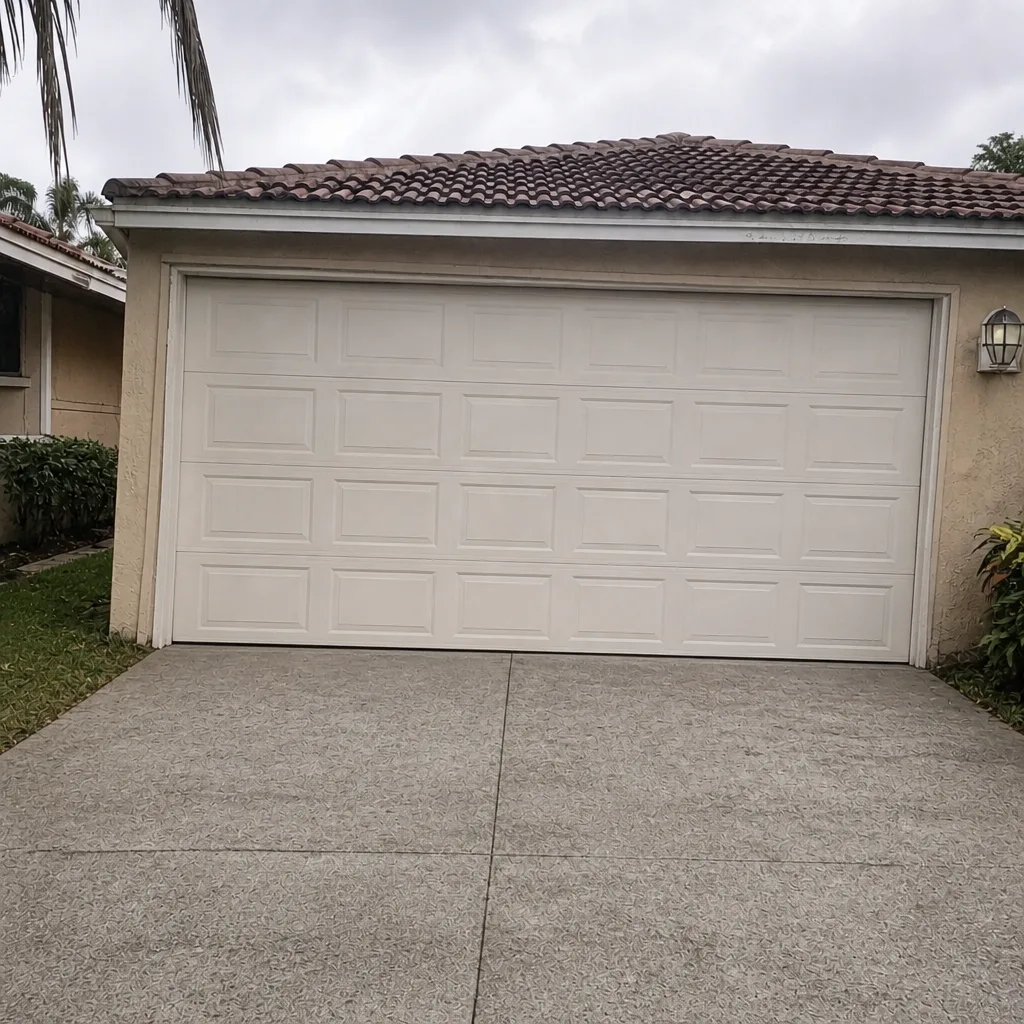
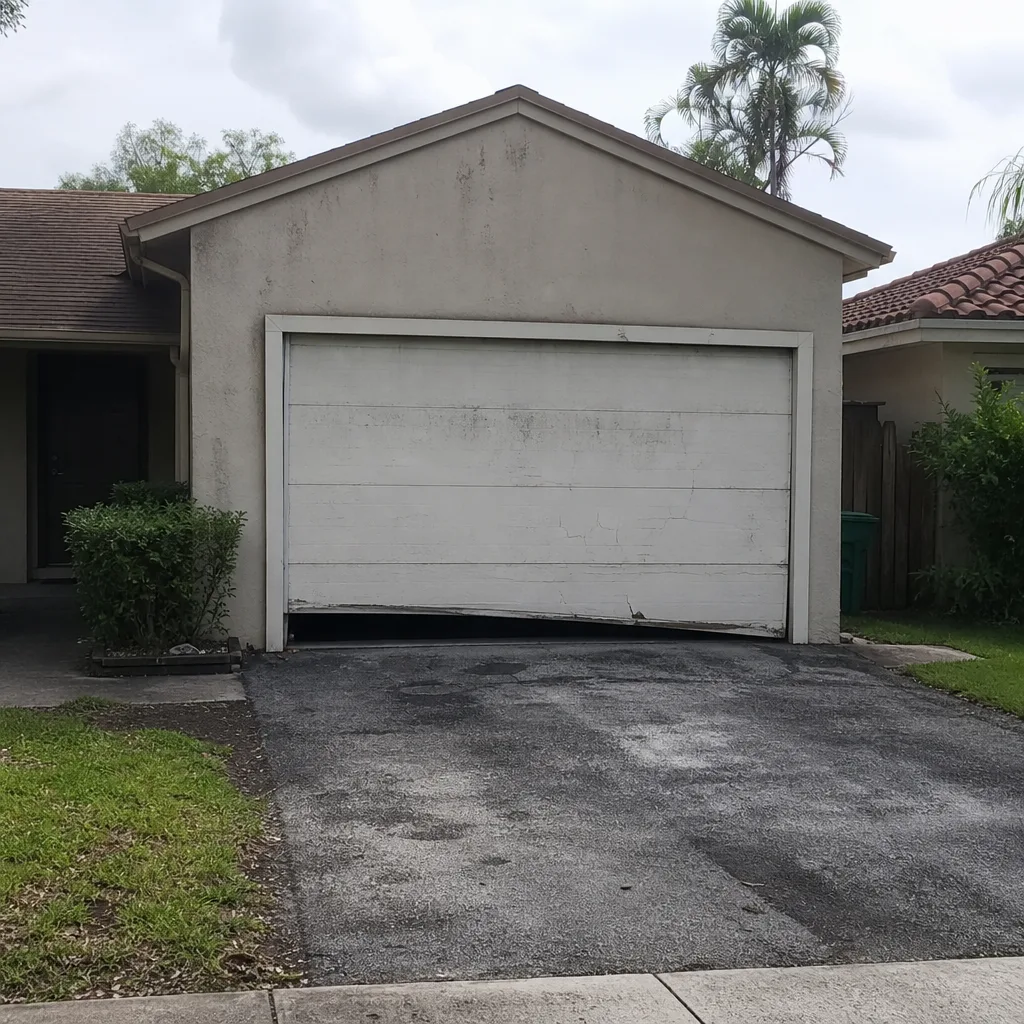
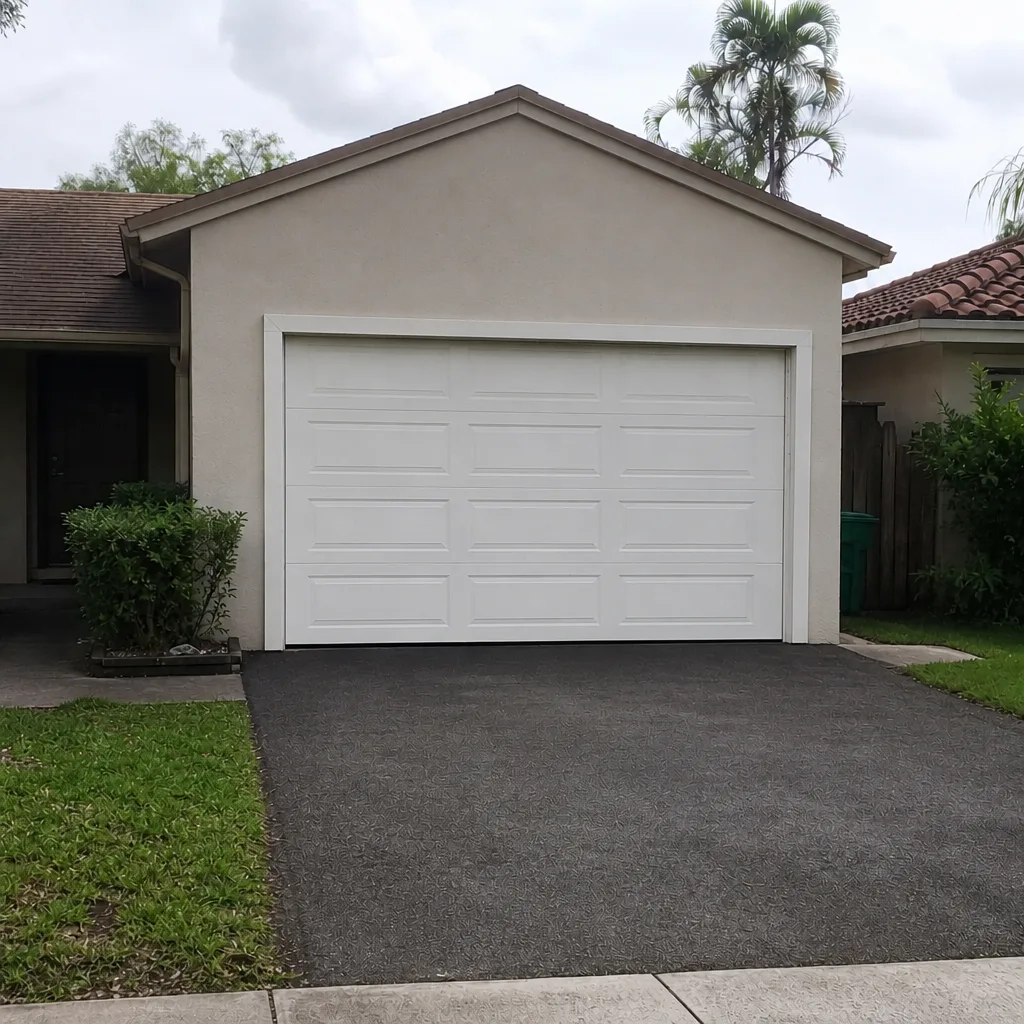
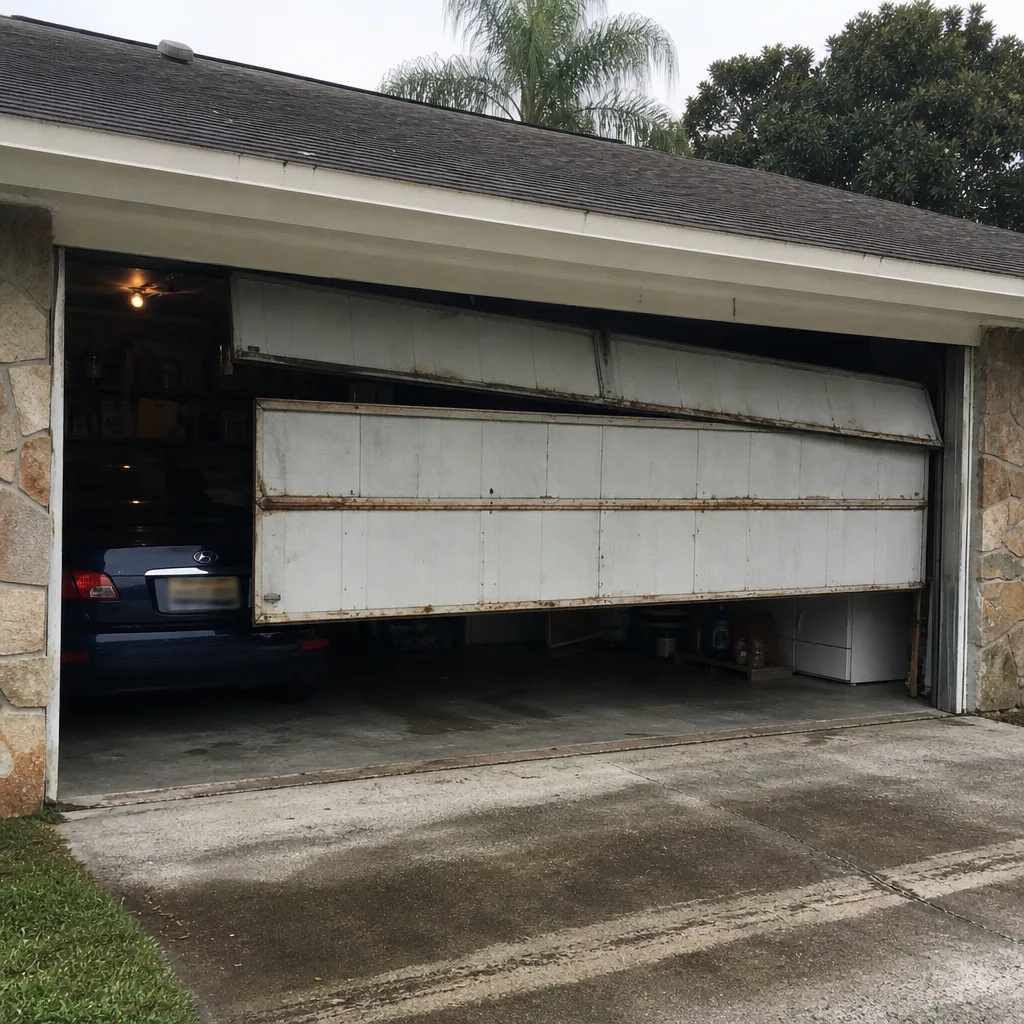
See the difference
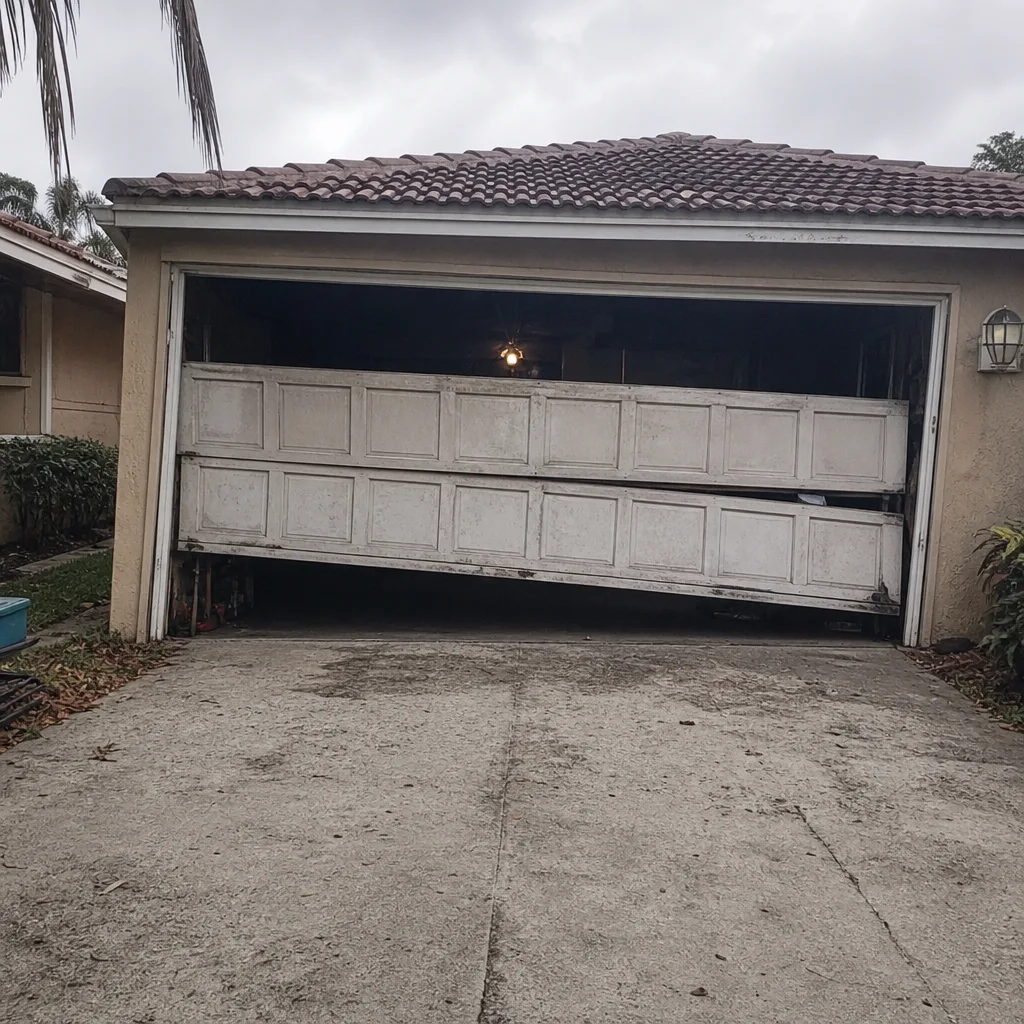 Before
 After
 Before
 After
 Before
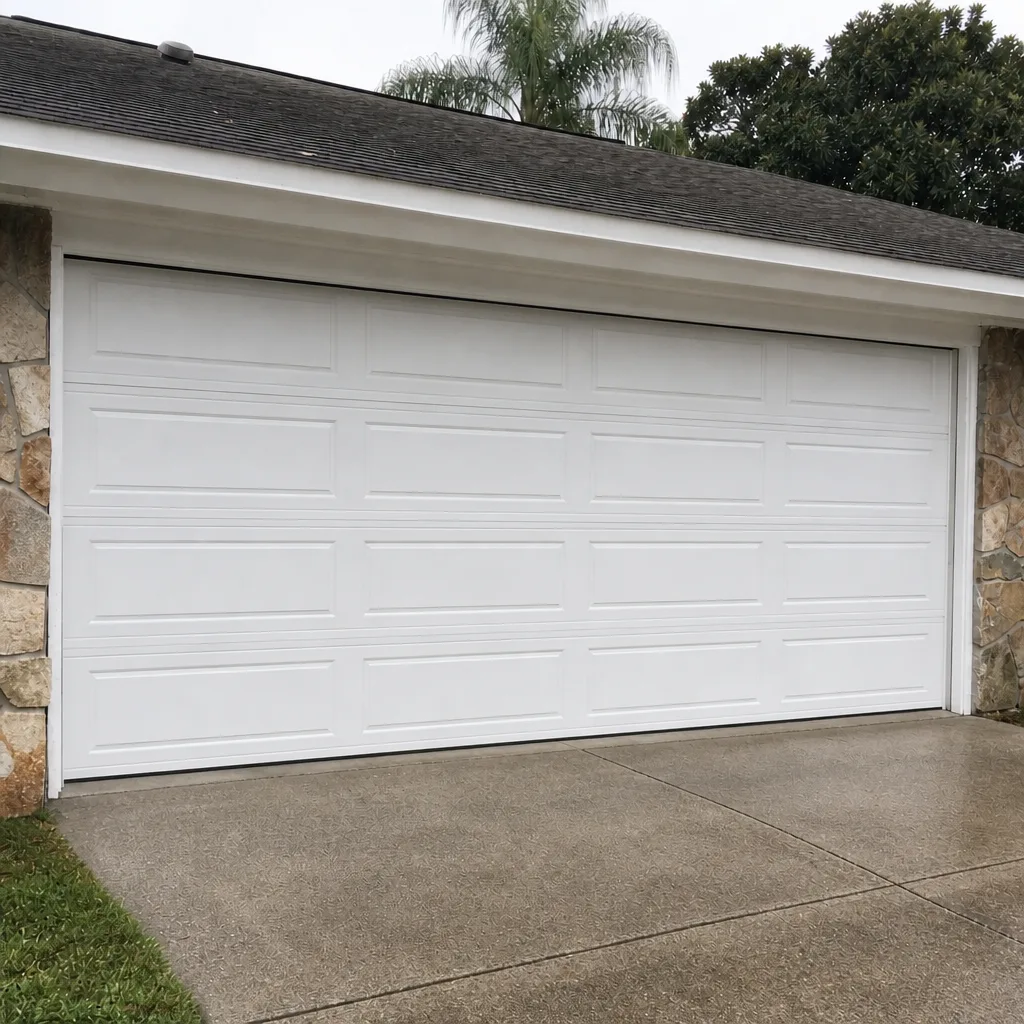 After
When to Call a Professional
Call a technician when the problem involves the high-tension parts or the opener’s electronics. Specifically: a torsion spring that’s broken or looks fatigued, a cable that’s come off a drum, a door that won’t stay closed or opens at an angle, a bent track, or an opener that won’t respond to the wall button and remote at the same time. These carry real risk. Torsion springs and cables hold the full weight of the door, so don’t try to adjust them yourself. Electrical components inside an opener carry a shock risk, and the garage door is the largest moving thing in the house, so a door that’s off its balance is a hazard, not just a nuisance.
Garage Door Repair Weston Pros offers free estimates in Weston. Call (844) 930-4137. We answer 24/7, and we dispatch from 7am to 7pm, Sunday through Friday. The price is set per job by the written estimate, and it’s agreed before any work starts. Our technicians have up to 8 years of experience, and we work on LiftMaster, Chamberlain, Genie, Clopay, Amarr, Wayne Dalton, Craftsman, and Raynor equipment. That breadth means we know which replacement parts your door actually needs, not the nearest universal fit.
Frequently Asked Questions
Every three to four months, which is more often than the spring-and-fall schedule most guides suggest. In Weston’s heat, light lubricants thins out quickly, and the door runs more cycles per day than the national average. Use a purpose-made garage door lubricant or silicone spray on hinges, roller stems, and the spring coils lightly. Keep the tracks dry.
Call (844) 930-4137 for a free estimate if you hear a squeak that returns after lubricating.
Yes. Unplug the opener or trip its breaker, press the wall button, and see if the door opens at normal speed. Plug the opener back in afterward. Test once a month during storm season and quarterly the rest of the year. Don’t open the opener housing to check the battery itself; the components inside carry a shock risk.
Call (844) 930-4137 if the door doesn’t respond when the power is off.
Heat and cycle count. Torsion springs are rated for about 10,000 cycles, and a Weston household can run the door six to eight times a day versus the three to four the rating assumes. That puts spring replacement at four to five years instead of seven or eight. Heat also drives expansion and contraction through hinges and rollers, which is why oxidation checks and lubrication matter here.
Call (844) 930-4137 for a free estimate if the door is moving unevenly.
Before, if the door has visible panel damage, a bent track, or a bottom seal that’s failing. Those items weaken a door under wind load. Schedule a measure and a written quote well ahead of the season, since door replacement is measured, ordered, and scheduled rather than same-day. If your community requires wind-load documentation, ask your city’s building department and your HOA in advance.
Call (844) 930-4137 for a free measure and estimate.
Yes. We service Genie equipment, along with LiftMaster, Chamberlain, Clopay, Amarr, Wayne Dalton, Craftsman, and Raynor. Older openers need the correct replacement parts, not a universal workaround, and brand familiarity helps us source the right pieces the first time. If the issue is the opener’s electronics rather than the door, a technician can diagnose it on site.
Call (844) 930-4137 for a free estimate.
No. The written estimate sets the price, and it’s quoted and agreed before any work starts. If we find something during the visit that changes the scope, we explain it and you decide before anything proceeds. Estimates are free and there’s no fee to look.
Call (844) 930-4137 for an exact quote.
The Bottom Line
A garage door maintenance checklist for Weston should follow heat and storms, not the seasons. That means lubricating four times a year with a high-temperature product, skipping the tracks, and watching roller stems for the dull film that precedes a failure. Test the battery backup on a calendar during storm season, and run the full hurricane pass in May, including anchor bolts and the manual release. Keep a simple log so a technician can see trends, not a snapshot. Anything involving the torsion spring, cables, or the opener’s electronics belongs with a trained technician who knows your brand.
If the door is already failing, don’t wait for the next pass. Garage Door Repair Weston Pros connects Weston homeowners with local professionals, and the estimate is free. Call (844) 930-4137. We answer 24/7. Fast dispatch from 7am to 7pm, Sunday through Friday.
Written by the team at Garage Door Repair Weston Pros.